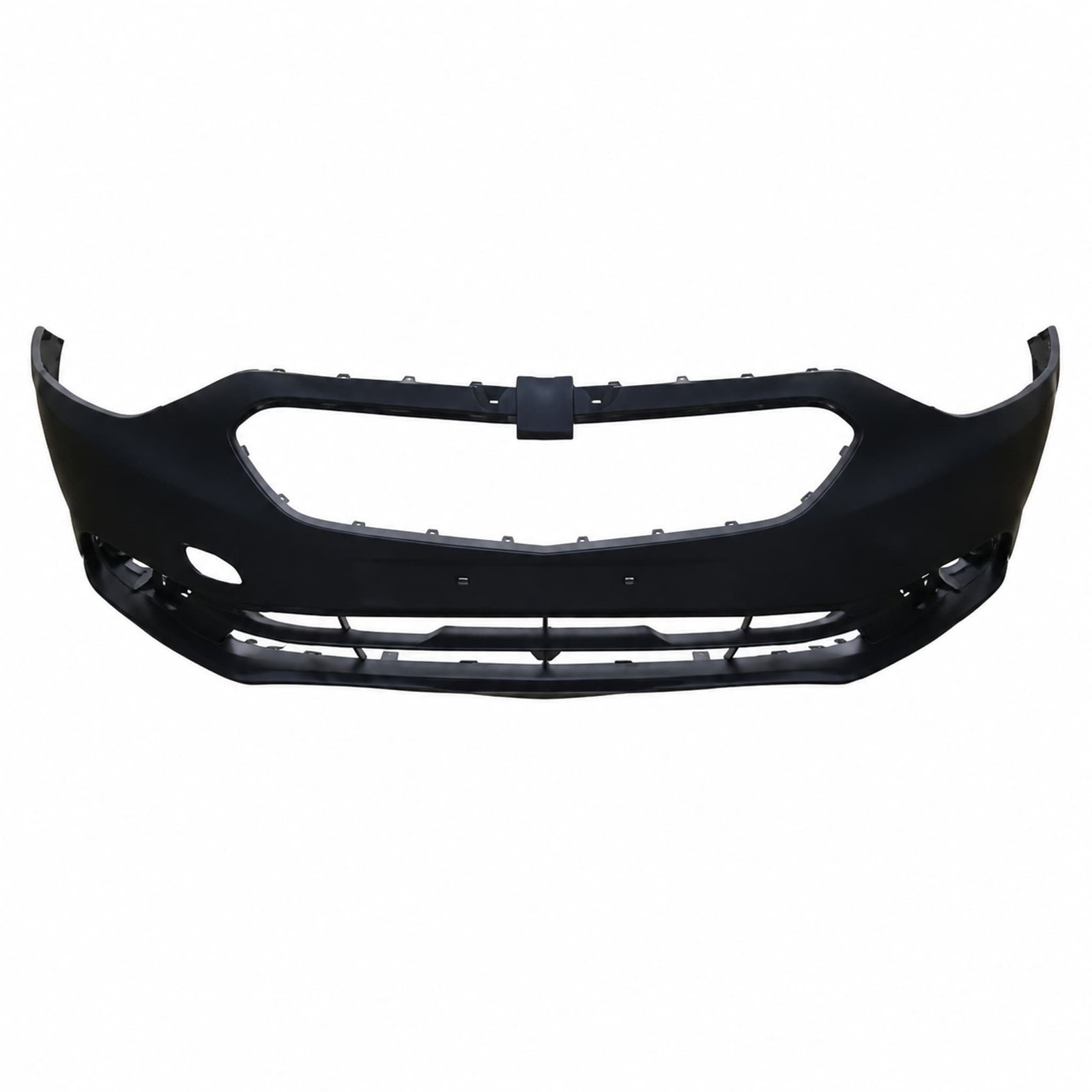
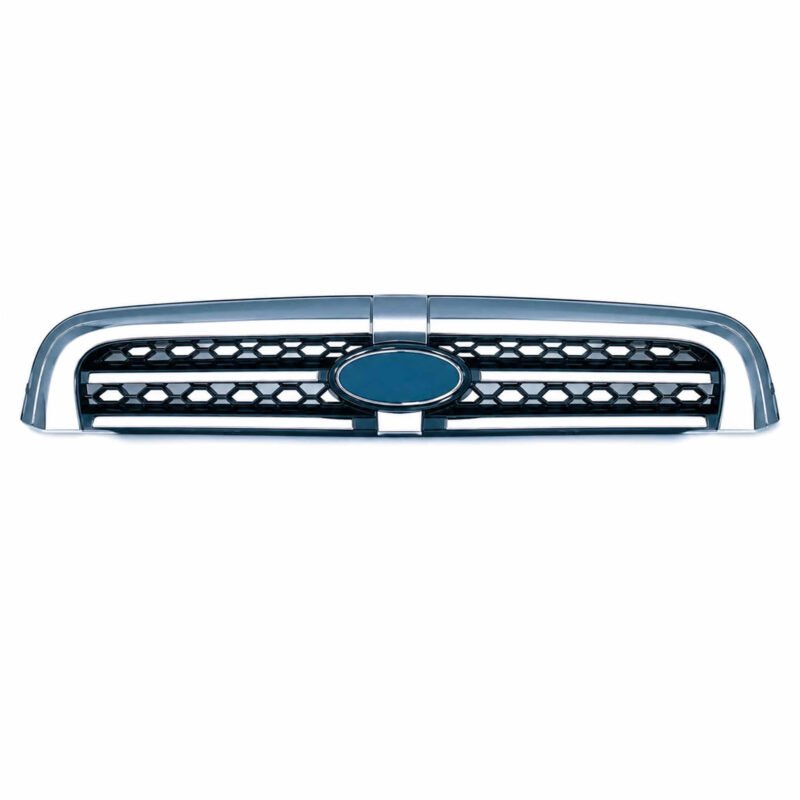
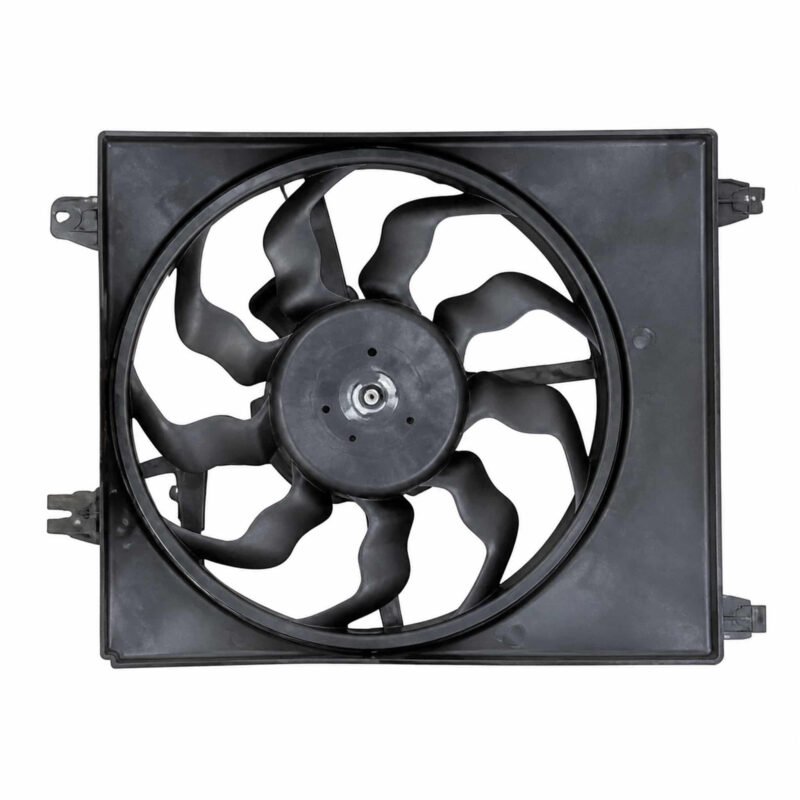
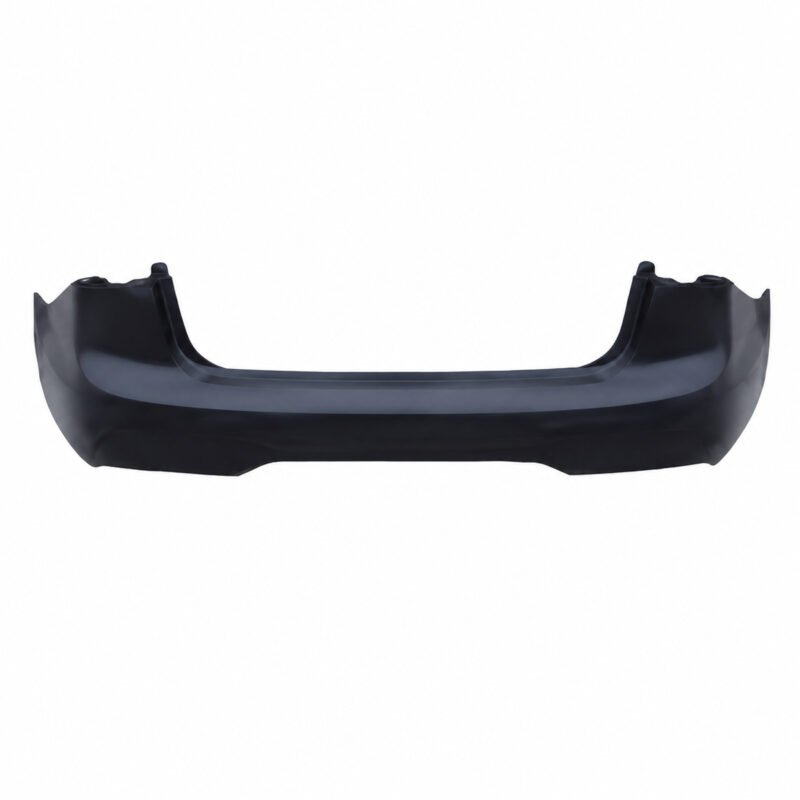
Front Bumper Version B for Daewoo Sail ‘2010 / Sail ‘2015: This entry separates model application, physical checks and quotation details for easier review. The component belongs to the bumper inspection group.
Product Specifications
| Product name |
Front Bumper Version B |
| Vehicle model |
Daewoo Sail ‘2010 / Sail ‘2015 |
| Component area |
Bumper |
| Primary comparison |
side-retainer engagement |
| Secondary comparison |
overall corner curvature |
| Fitment confirmation |
a body-shop buyer should confirm bracket and bolt-hole spacing before the carton is allocated |
Workshop Comparison
This front bumper version b is associated with Daewoo Sail ‘2010 / Sail ‘2015. No OEM identifier has been added; the buyer should send vehicle data and original-part photographs. Use the vehicle record and the removed component together; market specification or previous repairs may change the required version.
Physical Fitment Points
- Side-retainer engagement
- Upper edge alignment below the lamps
- Overall corner curvature
- Bracket and bolt-hole spacing
- Lamp or grille openings
A body-shop buyer should confirm side-retainer engagement, mark upper edge alignment below the lamps, and document lamp or grille openings before the carton is allocated. This route applies to the front bumper version b shown for Daewoo Sail ‘2010 / Sail ‘2015.
If images accompany the enquiry, include an underside image, a rear mounting view, and an original-label photograph. Label the evidence with the vehicle designation Daewoo Sail ‘2010 / Sail ‘2015 so the workshop and purchasing team review one configuration.
A body-shop buyer can begin with underside image to confirm side-retainer engagement. A second image should show overall corner curvature from rear mounting view. Before the carton is allocated, mark lamp or grille openings and note any difference from the removed component. Keep these observations with the Daewoo Sail ‘2010 / Sail ‘2015 vehicle record.
A vehicle inspector should capture bracket and bolt-hole spacing from an installation-opening picture, then confirm overall corner curvature before the commercial request is submitted. The repair planner should note lamp or grille openings from a vehicle-side photograph, then confirm overall corner curvature before the shipment is booked. A vehicle inspector should trace bracket and bolt-hole spacing from an adjacent-panel image, then capture overall corner curvature before the shipment is booked. The parts coordinator should evaluate bracket and bolt-hole spacing from an adjacent-panel image, then compare side-retainer engagement before the packing plan is prepared.
Application Review
Arrange a dry comparison before final fastening, and stop if holes or clips need force to line up. No packing entry is published here; request current carton and quantity information with the quotation.
Reference Check
Include packaging questions, requested quantity and the receiving country in the initial enquiry. Ask the supplier to review availability, packing and delivery terms against the identified component rather than a generic model description.
Purchase Questions
What vehicle information should be checked first?
Application information points to Daewoo Sail ‘2010 / Sail ‘2015. A workshop should still compare the removed item and mounting location before ordering.
How should fitment be checked before ordering?
The practical checks are side-retainer engagement, overall corner curvature and the surrounding clearance. Avoid choosing the item from the model name alone.
How can a trade buyer request pricing?
Include packaging questions, requested quantity and the receiving country in the initial enquiry. Keep each requested product on a separate line when several parts share one shipment.